

Water Condensation on Windows
What causes water condensation on windows? It happens when warm air and cold air come into contact. The dew point of the indoor air is higher than the surface temperature on the inside surface of the window. Warm air can hold more moisture than cold air. Sources of condensation may be showers, cooking, laundry, and even human mouths can be sources. For every person inside the home, daily breathing adds a few pints of water vapor to the air. Since colder air holds fewer water molecules than warmer air, when the warm air inside your house meets the colder air on your windows, condensation forms. It’s common in winter and can even be noticed in well-sealed homes as they trap more moisture inside.
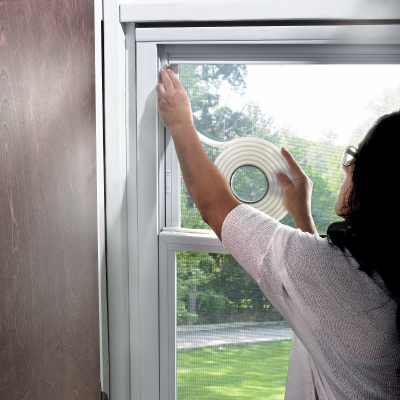
Is it harmful? It can be. It can cause mold or mildew. People who have allergies or respiratory problems are especially susceptible to mold and mildew. Additionally, condensation can turn into ice on windows and walls, and that ice can damage them. If you have wooden window frames, frequent moisture can cause them to rot.
Vent all gas appliances, clothes dryers and exhaust fans to the outside, especially the kitchen fans when you cook. Open drapes and shades during the day so warm air can reach your windows. And use ceiling fans and other fans to increase air circulation and open interior doors. If you still see condensation, there are other easy fixes.
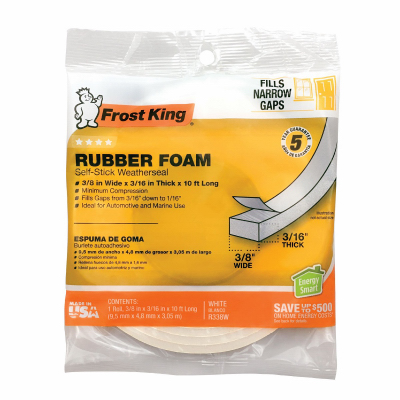
Fortunately, most fixes are inexpensive and can be done with a quick trip to Longenecker’s Hardware for supplies. Weather stripping is a quick solution. It reduces condensation. If you have older windows, weather stripping can be especially valuable. In some cases, it can accomplish as much as newer, high-priced windows can in terms of reducing condensation. There will be instructions on the package how to weather-strip a door or window.
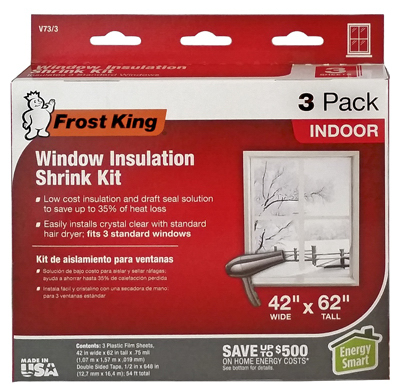
Using storm windows during the winter can help reduce condensation. Also, they can help reduce energy consumption. To maximize their effectiveness, install good weather stripping as well. If you don’t have storm winders, applying clear plastic sheeting to windows may reduce condensation by creating an insulating layer that keeps the glass warmer. These kits are available at Longenecker’s Hardware and are easy to apply using a handheld hair dryer to stretch the plastic tight. The film prevents warm, moist indoor air from directly contacting the cold glass surface, which is where condensation forms. While it doesn’t remove humidity from the air, it acts as a barrier to stop moisture from collecting on the window, especially in cold weather.
When you notice window condensation often, it may be a sign your home is just too humid. Relative humidity should be around 50% during the summer and 30% during the winter. It shouldn’t be above 60% at any time. So you may want to run a dehumidifier (also at Longenecker’s!)
What if you have condensation between window panes? That’s no bueno. When that happens, it may be a faulty seal. You may be able to fix the issue for a reasonable cost by replacing the insulated glass panel. However, it may be time for new windows in some cases. A professional can assess the issue to determine the right solution.